


Introduction
In the competitive global manufacturing landscape, motor coating automation has become a critical differentiator for exporters. By integrating advanced automation technologies, manufacturers can meet international quality standards, reduce production costs, and accelerate delivery times. This article explores tailored strategies for implementing efficient motor coating production lines suited for global markets.
1. System Design: Global Compatibility
1.1 Flexible Layout for Multinational Demands
Adopt a U-shaped or modular layout to accommodate diverse motor specifications and coating requirements. This design supports rapid reconfiguration for different export markets, ensuring adaptability to regional standards (e.g., EU RoHS, REACH).
1.2 Scalable Automation Levels
Choose automation tiers based on export volume:
Semi-Automated Systems: Ideal for niche markets or small batches.
Fully Automated Lines: Optimize mass production for high-demand regions like Asia and North America.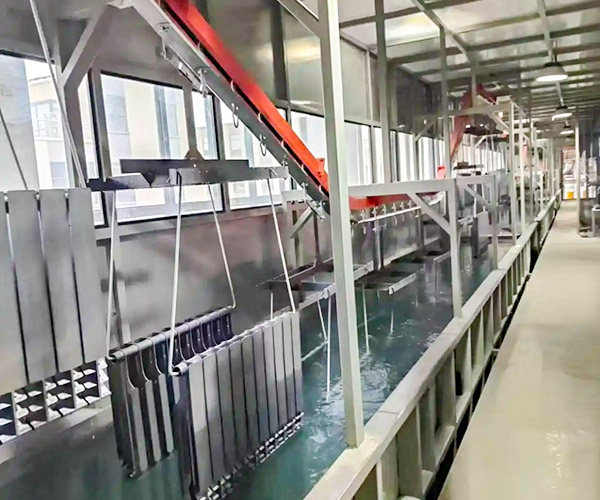
2. Equipment Selection: International Standards
2.1 Precision Coating Technologies
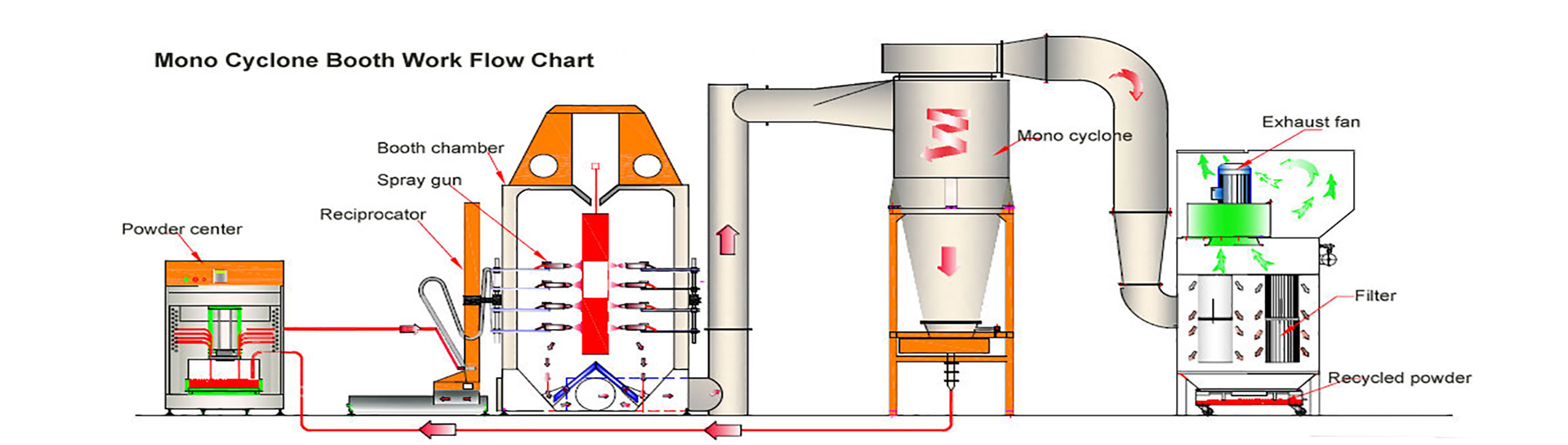
Electrostatic Spraying: Minimizes material waste and ensures uniform coverage for ISO-certified finishes.
Robotic Spray Systems: Programmable for complex geometries, meeting AEO (Authorized Economic Operator) compliance.
2.2 Energy-Efficient Drying Solutions
Hybrid Ovens: Combine infrared and convection heating to reduce energy use by 30%, aligning with global carbon reduction goals.
UV-LED Curing: Instant drying for fast-paced export schedules.
2.3 Smart Conveyor Integration
Variable-speed conveyors sync with ERP systems for just-in-time production, minimizing inventory costs for overseas clients.
3. Process Optimization: Export-Ready Workflows
3.1 Pre-Treatment for Global Climates
Automated phosphate or zirconium coating lines prevent corrosion in humid export regions (e.g., Southeast Asia).
3.2 Real-Time Quality Monitoring
Inline spectrometers and vision systems detect defects per ASTM standards, ensuring compliance with international tenders.
3.3 Packaging & Logistics Integration
Automated wrapping and palletizing systems reduce shipping damage, critical for long-distance exports to Africa and Latin America.
4. Quality Control: Trusted Global Compliance
4.1 Certification-Driven Protocols
Implement ISO 9001 and IATF 16949 frameworks, with digital traceability for every batch exported.
4.2 Multilingual Training Programs
Operator training in English/Spanish/Mandarin ensures seamless collaboration with overseas partners.
4.3 Predictive Maintenance
IoT sensors predict equipment failures, minimizing downtime for international clients relying on just-in-time deliveries.
Conclusion
For exporters, motor coating automation is not merely a production upgrade—it’s a strategic imperative to penetrate global markets. By aligning system design with international standards, selecting energy-efficient equipment, and embedding quality controls for export compliance, manufacturers can position themselves as reliable partners in the global supply chain. As trade barriers evolve, AI-driven automation and sustainable practices will further empower exporters to meet future demands.